
Back Pain at Night? These Adjustments Change Everything
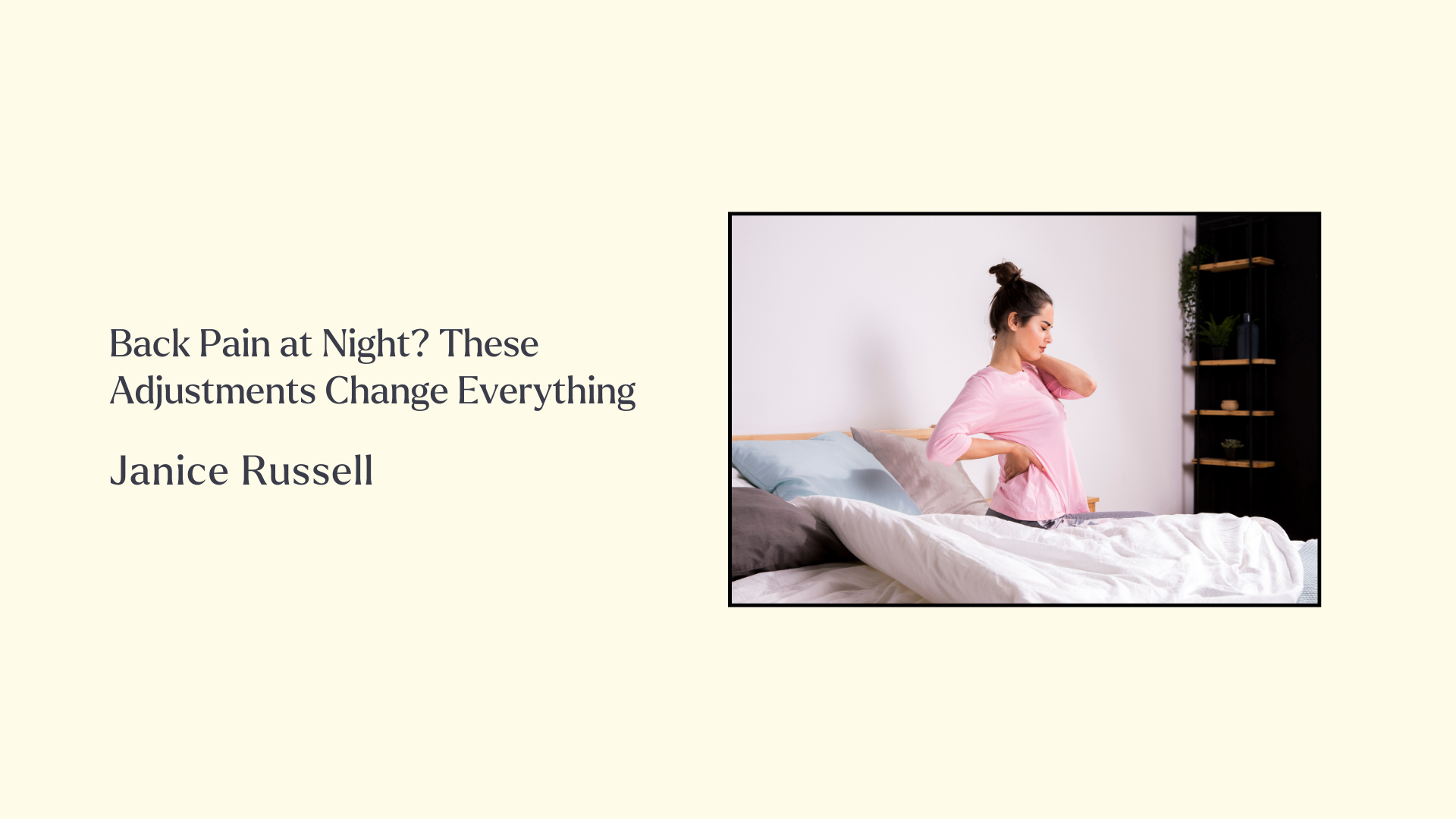
Waking up sore is no way to start your day. If back pain keeps you tossing, turning, or stuck in the same position until the sun rises, you're not alone — and you're not out of options. Quality sleep is one of the body’s best tools for healing, but when your spine’s in protest, even rest turns into a nightly struggle. Instead of reaching for sleep aids or gritting through it, try aligning your habits with the way your body naturally wants to rest. These seven shifts — backed by both experience and evidence — can bring you back into rhythm.
Reposition Your Legs, Rewire Your Rest
If you’re a back sleeper and pain creeps in by midnight, the solution might be below your knees. Elevating your legs even slightly can change your entire spinal alignment. According to the Mayo Clinic, placing a pillow under your knees reduces strain on the lower back by helping your spine maintain its natural curve. It’s subtle, but it signals your body that rest isn’t a fight — it’s a supported release.
Back Pain from a Crash? Realign Your Strategy
When back pain stems from a car accident, the damage often goes deeper than muscle fatigue. Spinal misalignment, disc pressure, and nerve compression all make sleep a battleground. That’s where chiropractic care comes in — not as a cure-all, but as a recalibration. If you’re navigating post-accident tension, take a look at this. AICA’s car accident chiropractors assess your alignment, decompress inflamed areas, and help you sleep without guarding your every movement.
Stretch Before Coffee, Not Just Before Bed
Your morning routine sets your posture for the whole day. If your first movement is a slouch toward the phone, your back has already lost round one. Nuffield Health breaks it down clearly: ease into the day with back stretches to reduce stiffness and prep your spine for sitting, standing, and movement. The stretches don’t need to be complex — think cat-cow, gentle twists, and hamstring lengthening — but they should be consistent. It’s a way of telling your nervous system, “We’re safe. We’re steady.”
Your Mattress Is Talking — Listen Closely
Too soft, and your spine sinks. Too firm, and pressure builds. The sweet spot for most people? A medium-firm surface. A clinical trial cited by EurekAlert found that participants with chronic back pain slept significantly better when they opt for a medium-firm mattress, noting improvements not just in pain scores but also in sleep duration. If replacing your mattress isn’t realistic, a firm topper can recalibrate what you already have. The goal is even weight distribution and fewer stress points — not a bed that looks perfect but fights you every night.
Neck Support That Aligns, Not Aggravates
Pillows aren’t decorations. When chosen poorly, they sabotage your alignment just as much as a bad chair. A flat or overstuffed pillow throws your cervical spine out of rhythm, especially if you’re a side sleeper. Spinemd.com lays it out clearly: select an ergonomic neck pillow that supports the natural curve of your neck without tipping your head forward or sideways. Look for memory foam or adjustable designs that keep your airway open and your vertebrae stacked. This isn’t about comfort alone — it’s about keeping your nerves from firing pain signals while you sleep.
Don’t Just Stretch at Night — Sequence It
Late-night pain spikes aren’t just from your mattress. They’re often from tight hip flexors, hamstrings, and lower back muscles that stayed compressed all day. A short stretch routine before bed doesn’t just loosen tissue — it also cues your parasympathetic system to shift into rest mode. Sleepopolis recommends that those with recurring nighttime discomfort wind down with gentle pre-sleep stretches that target the lower back and hips. The difference between “can’t sleep” and “almost out” might be ten minutes of floor work and intentional breathing.
Scan the Pain, Don’t Fight It
Sometimes, the problem isn’t just mechanical — it’s neurological. Pain loops, once entrenched, keep the nervous system in a state of tension even when the body is still. That’s where mindfulness and body scanning come in. Harvard Medical School recommends that patients in chronic pain try a body scan mindfulness session as a way to reduce discomfort without medication. By gently directing your awareness through different regions of the body — not avoiding the pain, but noticing it without resistance — you give your system permission to soften.
Back pain doesn’t get to own your nights. Every choice — your pillow, your morning stretch, your mattress firmness, your bedtime habits — sends a message to your body: we’re either inflaming or healing. Start with one change. Stack another. These aren’t hacks — they’re habits, rooted in how the body heals when given the right environment. Reclaiming your sleep starts with reclaiming your spine’s story, one night at a time.
Join the Southern Medical Association today to access premier CME courses, exclusive networking opportunities, and vital resources designed for healthcare professionals at every stage of their career.
As a healthcare professional, Janice Russell knows the importance of balance in life. While her days are filled with overcoming challenges in the healthcare industry, she believes the only way to survive parenthood while taking care of the sick is to find the humor in it. She created Parenting Disasters so that parents would have a go-to resource whenever they needed inspiration.
Image via Freepik
