
Healthy Choices Start at Home: How Parents Can Empower Kids Every Day
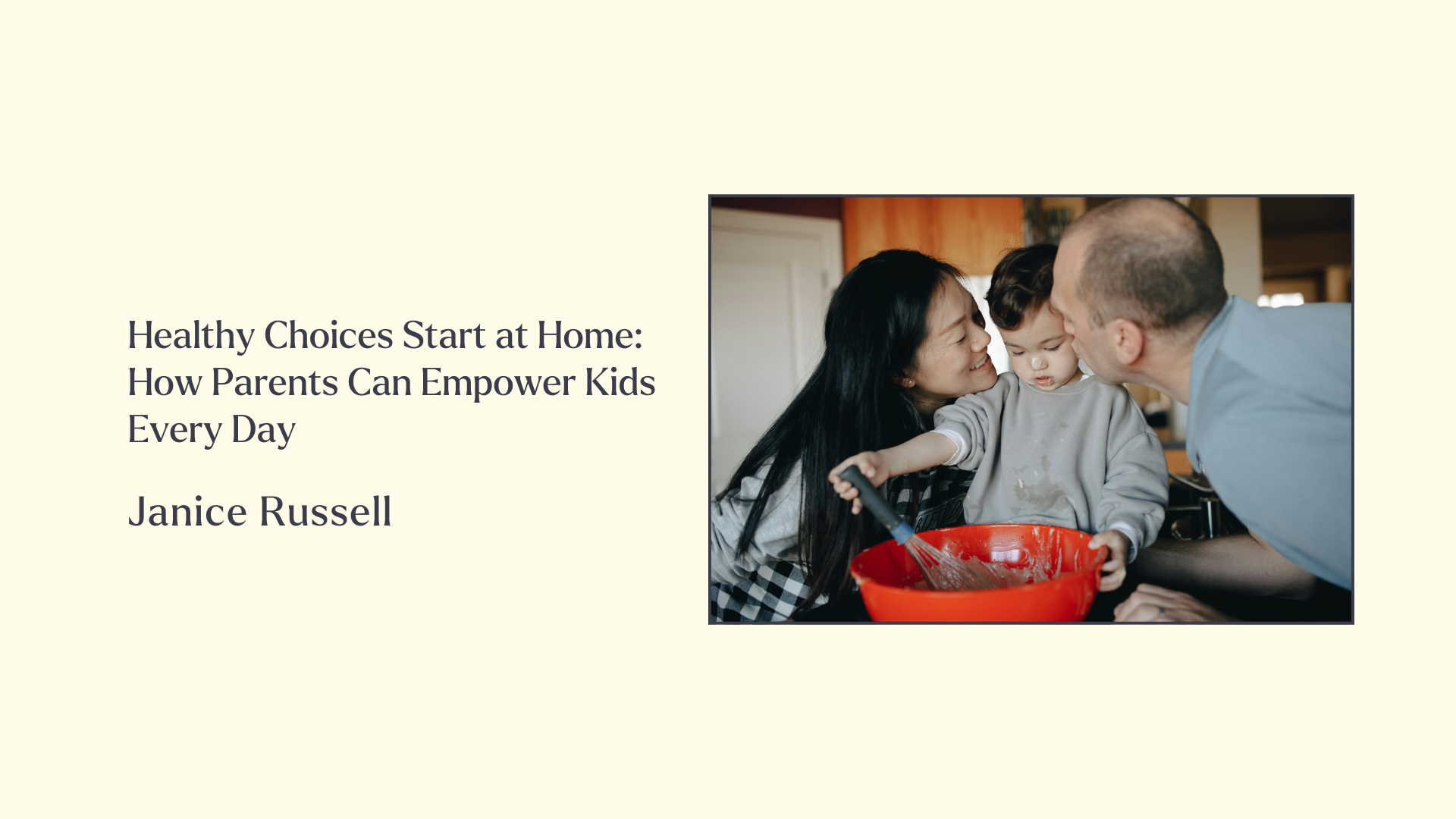
Kids learn by watching, not just listening. The best way to help your children make healthy choices — about food, activity, friendships, and habits — is to model them yourself. This guide shows how to turn everyday routines into opportunities for lifelong well-being.
Setting the Scene
Parenting often feels like balancing logic and love — between letting kids choose and guiding them wisely. The truth? Kids imitate what they see more than what they’re told. If vegetables go uneaten or bedtime feels like a battle, the root often lies in how those habits are modeled at home.
FAQ: Quick Questions Parents Ask
Q1: How can I get my child interested in healthy food?
Start with involvement. Let kids help wash vegetables, pick recipes, or choose between two healthy snacks. Ownership builds enthusiasm.
Q2: Should I ban junk food entirely?
No need for extremes. Teach moderation and context — a cookie isn’t “bad,” it’s just not an everyday thing.
Q3: What if my child hates exercise?
Shift from “exercise” to “fun movement.” Try family hikes, dance parties, or backyard obstacle courses.
Q4: How early should I start talking about mental health?
As early as possible. Use simple words: “It’s okay to feel sad,” or “Let’s talk about what made you upset.” Emotional health is part of overall health.
How-To: Build Healthy Choice Habits
- Model Behavior: Kids notice everything. Make sure they see you eat mindfully, sleep on time, and manage stress constructively.
- Create Routines: Consistent meal and sleep times help kids feel secure.
- Offer Choices, Not Ultimatums: “Do you want apple slices or carrots?” gives agency within healthy limits.
- Make It Visible: Keep fruit on the counter, not chips. Visibility shapes habits.
- Praise Effort Over Outcome: Acknowledge when kids try something new, not just when they succeed.
Healthy Habits at a Glance
| Category | Healthy Habit | Parent Tip | Kid Benefit |
| Nutrition | Eat whole foods daily | Cook together once a week | Builds food literacy |
| Sleep | 8–10 hours nightly | Limit screens an hour before bed; check guidelines by age | Boosts mood and focus |
| Movement | 60 min of active play | Join them — ride bikes together | Encourages family bonding |
| Mindset | Daily gratitude or reflection | Model calm reactions | Strengthens resilience |
Lead by Learning
Children thrive when they see growth as a lifelong process. Demonstrating curiosity teaches them that learning never ends — even for adults.
If you’re expanding your own education, you’re sending a powerful message. By furthering your knowledge through earning an online degree, you show that self-improvement is both possible and rewarding. For example, if you pursue a degree in psychology, you can explore how thought and emotion shape human behavior — insights that help you guide children and support those around you. To see how this path might look, check this out.
Checklist for Parents: Quick Self-Audit
☐ I model balanced meals daily
☐ We have at least one tech-free family activity each week
☐ My child gets 8+ hours of sleep
☐ I praise effort instead of perfection
☐ I demonstrate curiosity by learning something new each month
Spotlight: Product Worth Trying
Want to encourage kids to drink more water? Consider a reusable, time-marked water bottle, like those from Hydro Flask. Kids love tracking progress visually — hydration becomes a game, not a chore.
Closing Thoughts
Helping kids make healthy choices isn’t about perfection — it’s about consistency. Your daily actions speak louder than lectures. Model, guide, and grow together. The rest will follow naturally.
Photo: Pexels.com
